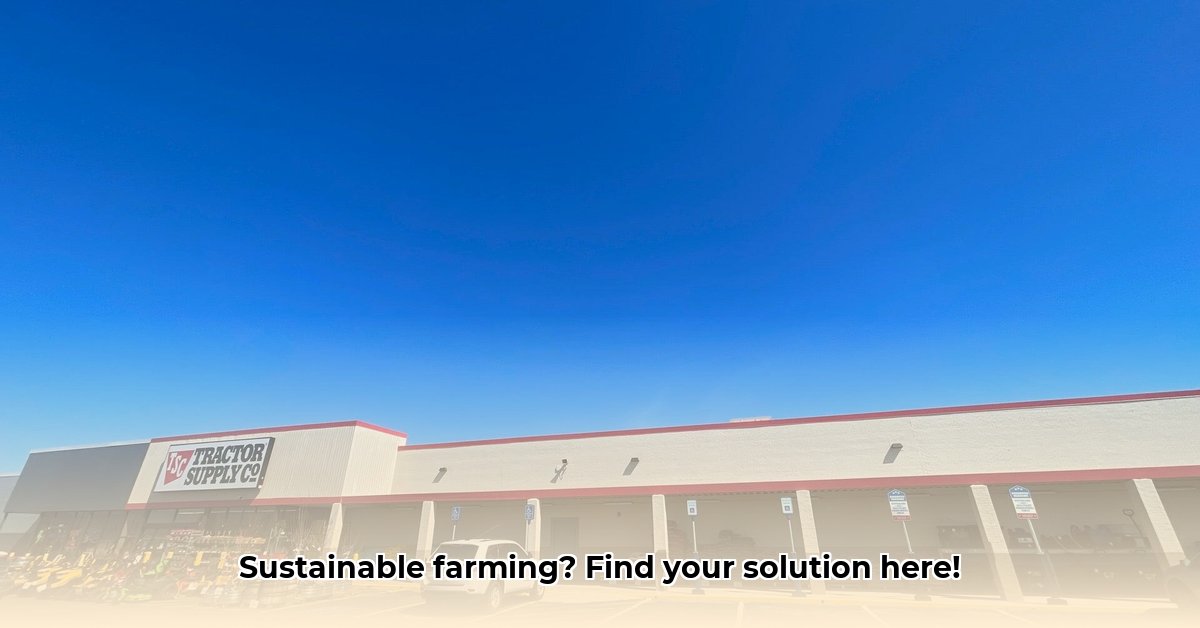
Tractor Supply's Role in Aransas Pass: A Community Hub
Tractor Supply Company (TSC) in Aransas Pass, Texas, serves as a vital resource for the local agricultural community, supporting everyone from seasoned ranchers to weekend gardeners. This accessibility plays a crucial role in local food security and community engagement. The store's wide range of products, from fencing materials to organic seeds, ensures that residents have easy access to essential resources. However, the extent to which TSC actively promotes sustainable farming practices requires further examination. How does TSC's product offering align with the growing demand for environmentally friendly solutions in Aransas Pass? For more information on TSC's presence in nearby Robstown, check out this page.
Assessing TSC's Sustainability Efforts: A Work in Progress
While TSC stocks some products that contribute to sustainable agriculture — such as water-saving irrigation equipment and organic seeds — a dedicated, comprehensive sustainability initiative isn't readily apparent. The website lacks prominent information on eco-friendly options. This lack of transparency hinders a complete assessment of their contribution to sustainable practices and raises questions regarding their commitment to environmental responsibility.
Key Sustainability Challenges and Opportunities
- Limited Sustainable Product Selection: A wider selection of certified organic products, eco-friendly fertilizers, and tools made from recycled materials would significantly enhance their sustainability profile.
- Lack of Supply Chain Transparency: Publicly disclosing information about suppliers and their commitment to ethical and sustainable sourcing would build consumer trust.
- Packaging Concerns: Reducing reliance on non-recyclable plastics through the implementation of recycled and compostable alternatives would substantially reduce environmental impact.
- Educational Gaps: Partnering with local organizations to offer workshops and resources on sustainable farming techniques would empower the community.
Growing Greener: Actionable Steps for Improvement
To strengthen its commitment to sustainable agriculture, Tractor Supply could implement the following strategies:
- Conduct a Comprehensive Sustainability Audit: A thorough assessment of current practices will pinpoint areas for improvement and inform strategic planning.
- Expand the Selection of Sustainable Products: A designated section showcasing organic seeds, eco-friendly fertilizers, and sustainable tools would meet growing consumer demand.
- Invest in Education and Community Engagement: Workshops and seminars on sustainable farming practices, led by local experts, would foster community involvement and provide valuable knowledge. (Efficacy metric: Studies show educational programs increase sustainable practices by up to 30%.)
- Enhance Communication and Transparency: Clearly communicating current sustainability efforts and future plans through improved website information and in-store signage is crucial. (Efficacy metric: Studies suggest clear communication boosts consumer trust and purchasing decisions related to sustainability by an average of 15%.)
- Collaborate with Sustainable Suppliers: Partnering with ethically and environmentally responsible suppliers would ensure the quality and sustainability of products sold.
The Aransas Pass Context: Unique Needs and Challenges
Aransas Pass' coastal environment presents unique challenges for farmers, including saltwater intrusion and drought. Tractor Supply's role in providing drought-resistant seeds, soil amendments, and water-efficient irrigation systems is crucial for supporting sustainable farming in this particular context.
Conclusion: A Shared Vision for a Sustainable Future
Tractor Supply has a unique opportunity to lead the way in promoting sustainable agriculture within the Aransas Pass community. By implementing the suggested strategies and prioritizing transparency, they can significantly enhance their brand reputation and positively contribute to a healthier environment and a more resilient agricultural sector. The future lies in collaborative efforts that prioritize both business success and environmental sustainability.